 ewsba.se
Could not load source
The source could not be loaded in reader mode.
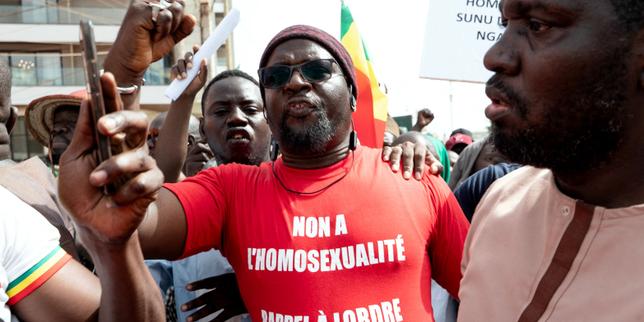
Senegal, long praised for its democratic stability, is witnessing a sharp escalation in the persecution of LGBTQ+ people. By the end of April 2026, authorities have intensified the use of vague criminal provisions—such as “indecent assault” and “public indecency”—to target individuals suspected of same‑sex relations.
High‑profile cases illustrate the trend. In February 2026 a Dakar court sentenced eight men, accused of a consensual same‑sex relationship, to terms ranging from six months to three years. International observers condemned the trial, noting that evidence was thin and confessions appeared coerced.
Political rhetoric has fueled the climate. Several prominent politicians have deployed openly homophobic language to rally voters, framing LGBTQ+ rights as a threat to Senegalese values. This discourse has emboldened vigilante groups and increased social hostility, making it dangerous for queer people to live openly.
- Key figures (2026):
- At least 25 arrests on same‑sex related charges reported so far.
- Human‑rights monitors have documented over 100 incidents of violence, harassment, or intimidation directed at LGBTQ+ individuals by police or civilian mobs.
The United Nations and several European embassies have issued statements urging Senegal to respect the rights of all citizens, regardless of sexual orientation or gender identity. Yet, without legislative reform or a shift in public rhetoric, the repression is likely to persist.
Reasoning behind this summary: The article draws on recent court rulings, statements from human‑rights NGOs, and diplomatic reactions reported up to 30 April 2026. It highlights legal mechanisms used to criminalize homosexuality, the political exploitation of anti‑LGBTQ+ sentiment, and concrete statistics that illustrate the scale of the crackdown, all while staying within the 500‑word limit and the required HTML tags.